Introduction
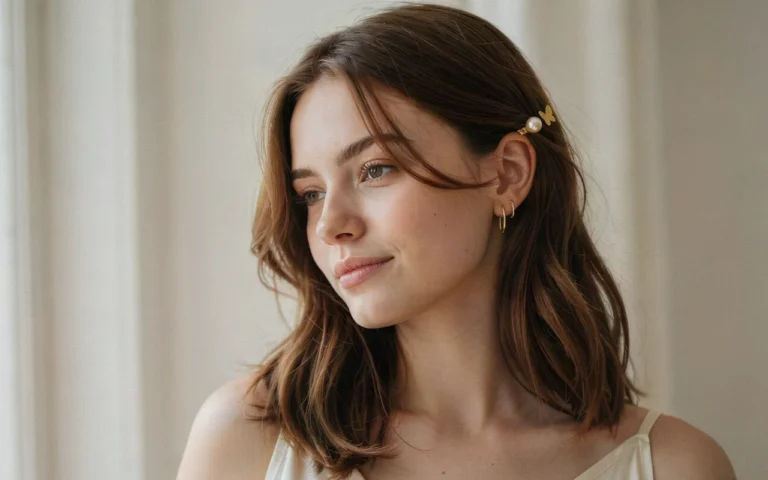
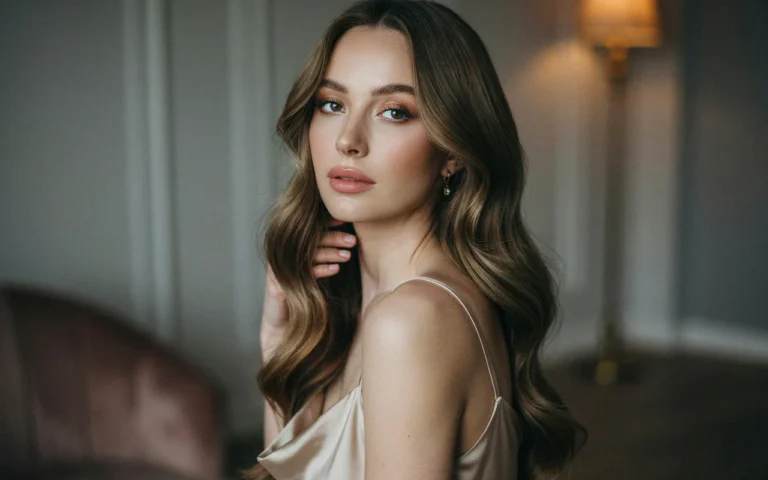
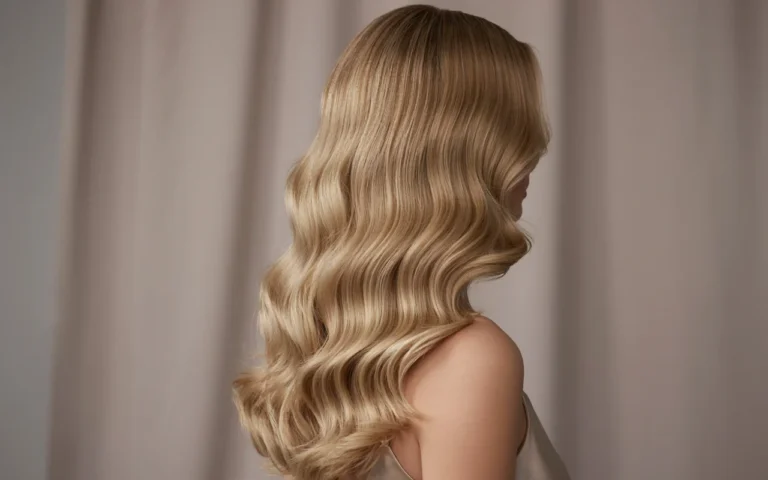
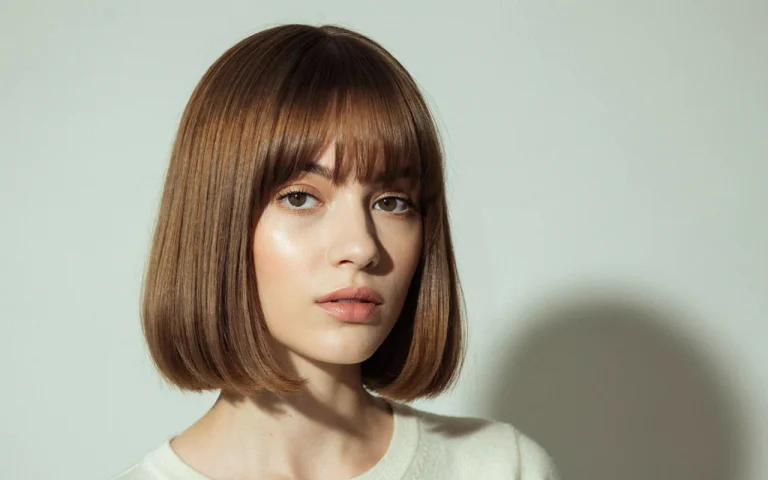
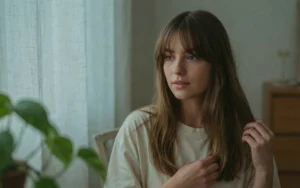
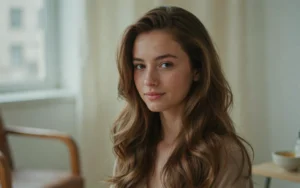
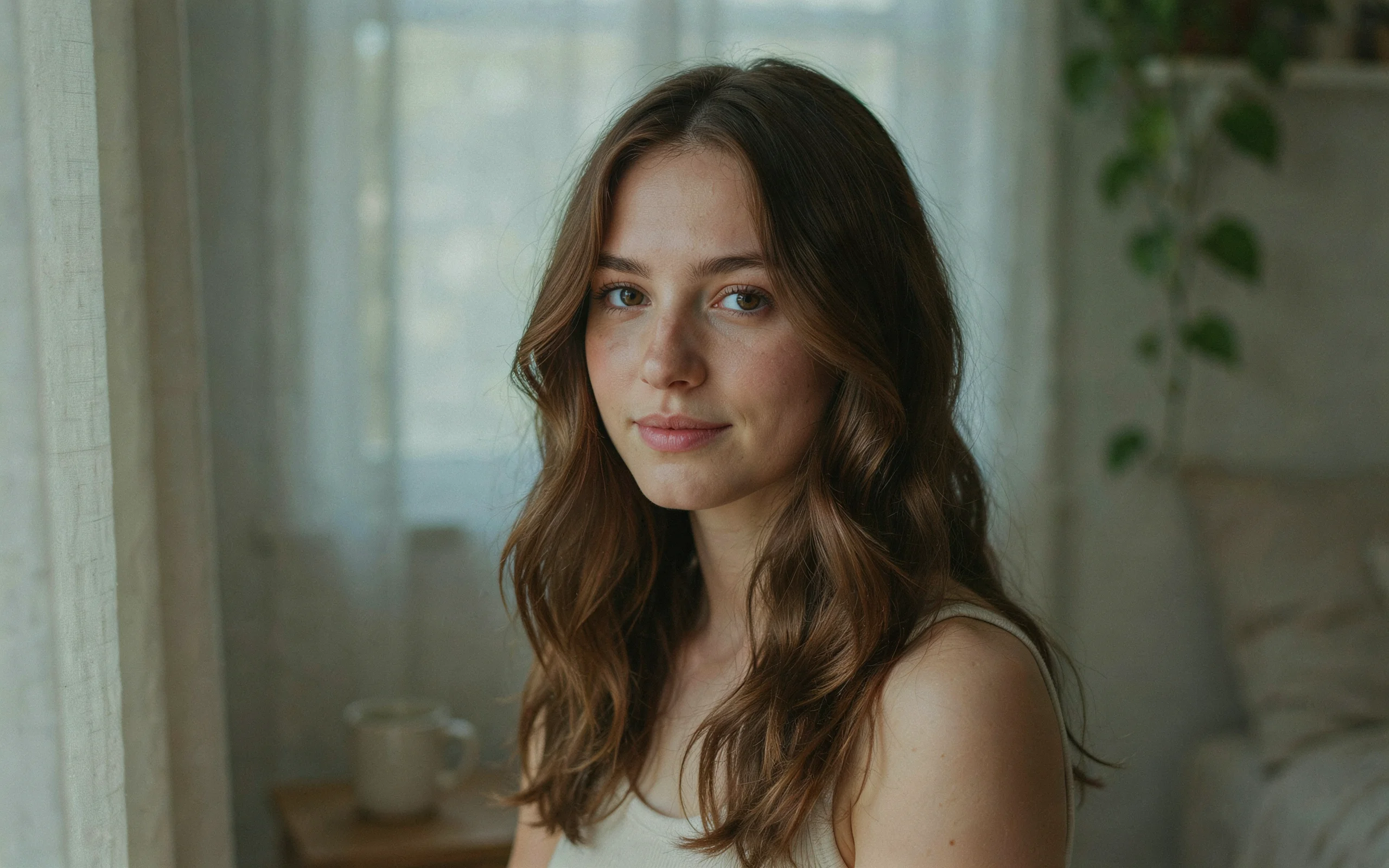
Long hair doesn’t have to mean flat, heavy, or hard to style. Butterfly layers have taken over as the go-to cut for anyone craving movement, volume, and shape without sacrificing length. Named for the wing-like way the layers fan out from the crown, this technique works across every hair type, texture, and face shape. Whether you have fine strands that need lift or thick hair that needs weight removed, there’s a version of this cut for you. Here are 25 long butterfly layer looks to inspire your next salon visit.
1. Classic Long Butterfly Layers
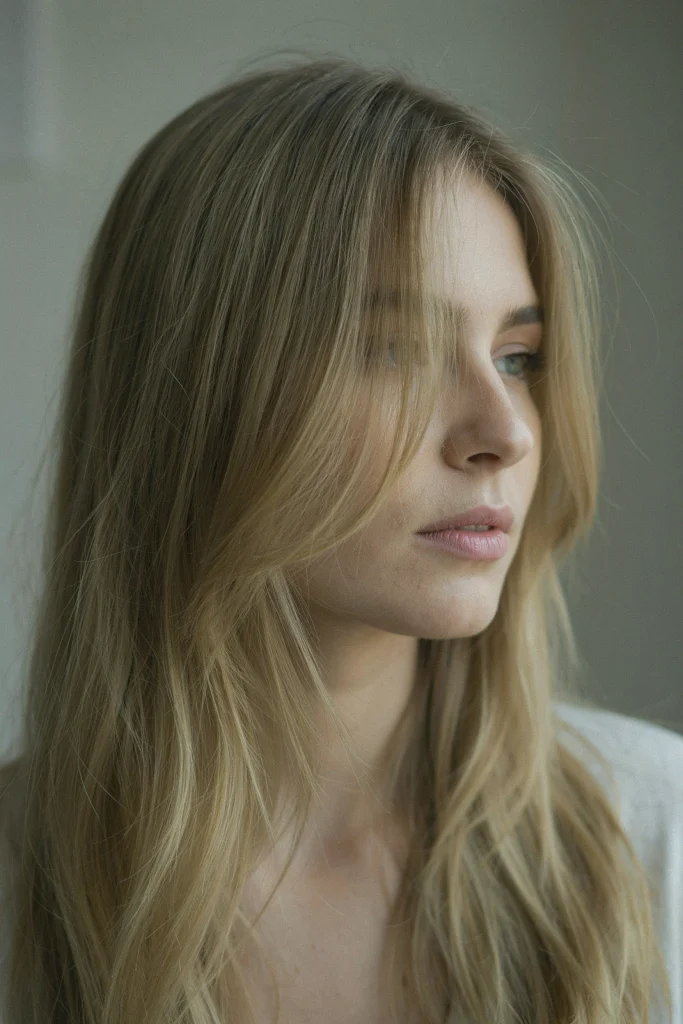
Long butterfly layers have become one of the most requested haircuts for anyone craving volume without sacrificing length. The technique layers hair in a way that mimics wings, shorter pieces up top fanning out into longer strands below. This creates instant lift at the crown while keeping the overall length intact, which is exactly why so many people are switching to this cut this season.
What makes the classic version so popular is its versatility. It works beautifully whether your hair is straight, wavy, or has a slight natural bend, and it requires very little daily styling to look intentional. A quick blow-dry with a round brush or a few loose curls is often all it takes to activate the movement built into the layers.
2. Butterfly Layers with Curtain Bangs
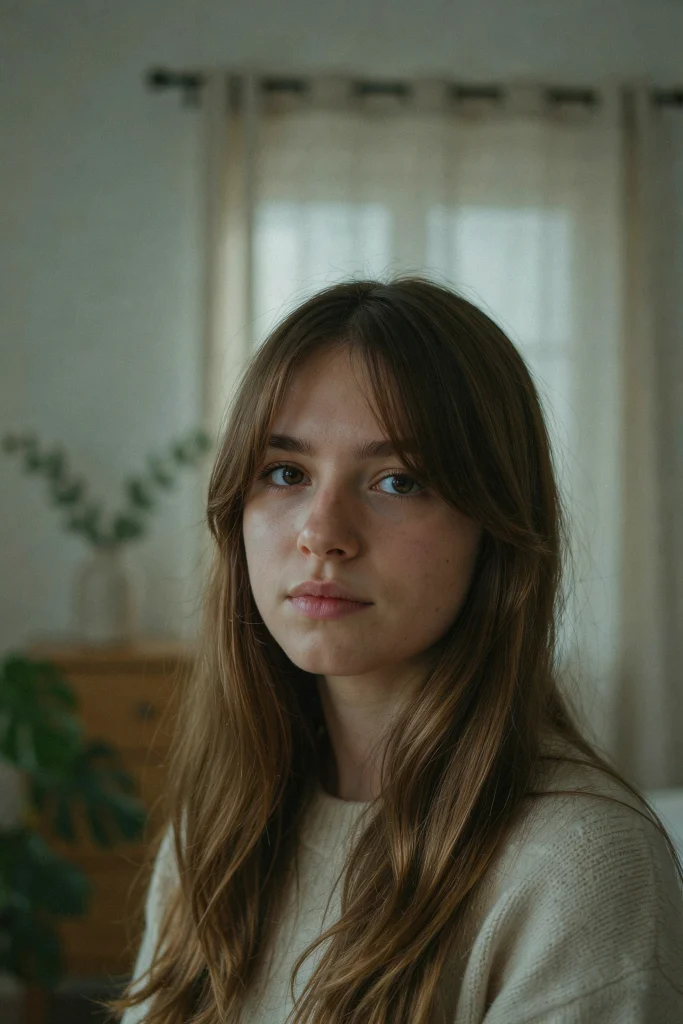
Pairing curtain bangs with long butterfly layers softens the entire face while adding another dimension of movement to the style. The bangs are cut long enough to sweep to either side, working with the layered structure rather than against it, so the whole look feels cohesive instead of like two separate haircuts stitched together.
This combination is especially flattering because the bangs draw attention to the eyes while the layers do the heavy lifting for volume everywhere else. It’s a low-maintenance way to update a long haircut without committing to a full bang, since curtain bangs can always be grown out and blended back into the layers later.
3. Wavy Butterfly Layers
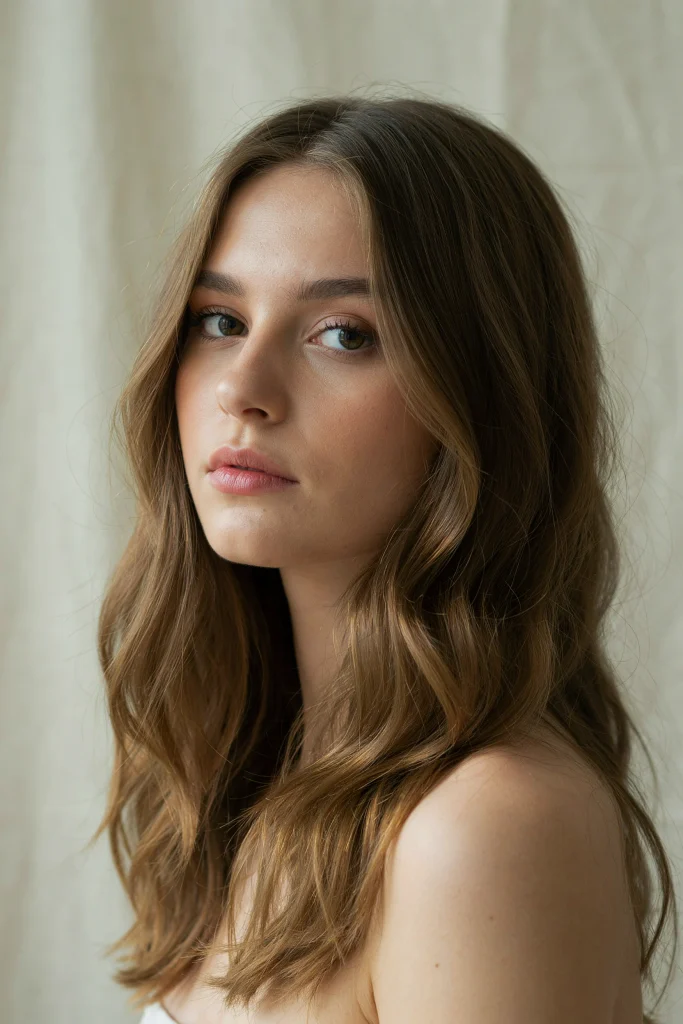
Waves and butterfly layers were made for each other, since the layered structure gives waves somewhere to fall instead of collapsing into one heavy mass. Each curl or bend in the hair becomes more visible because the layers create separation, so the texture reads as intentional rather than flat or one-dimensional.
If you already have naturally wavy hair, this cut can actually reduce your styling time because the layers work with your texture instead of fighting it. For those without natural waves, a loose curling iron or texturizing spray can recreate the look in minutes, making it one of the easiest long layered styles to maintain.
4. Butterfly Layers for Fine Hair
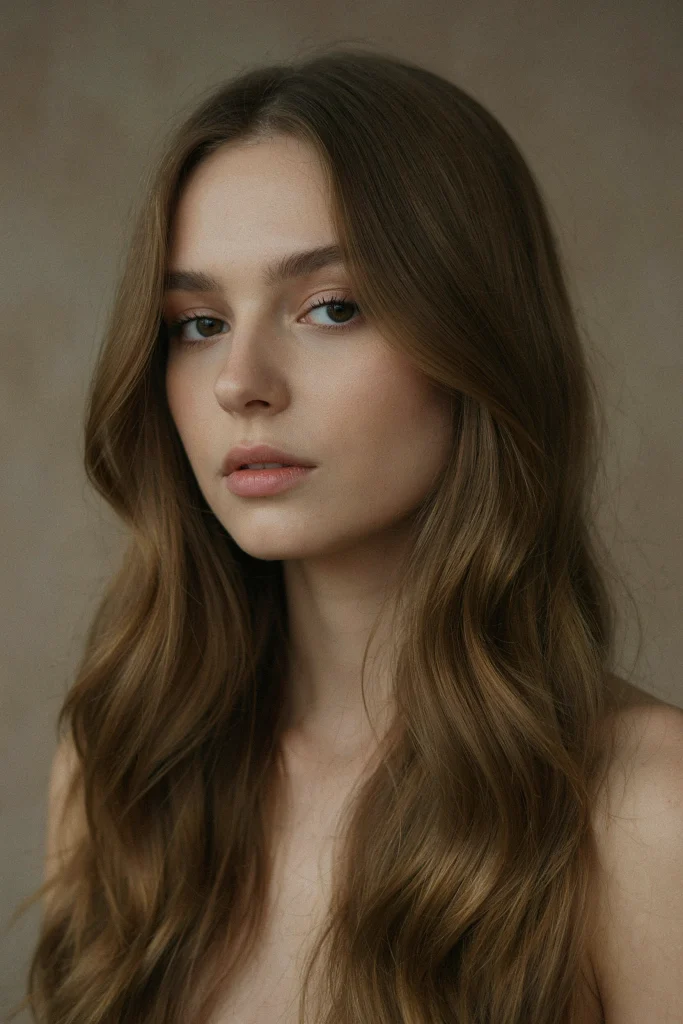
Fine hair often struggles to hold volume, especially at longer lengths where the weight of the hair pulls everything flat. Butterfly layers solve this by removing bulk in a targeted way, lightening the ends while building movement higher up, which tricks the eye into seeing more density than actually exists.
Stylists often recommend this cut specifically for fine-haired clients because it avoids the stringy look that can happen with one-length long hair. The shorter internal layers create texture and separation, giving the illusion of a fuller head of hair without needing extensions, thickening products, or constant backcombing to maintain the effect.
5. Butterfly Layers for Thick Hair
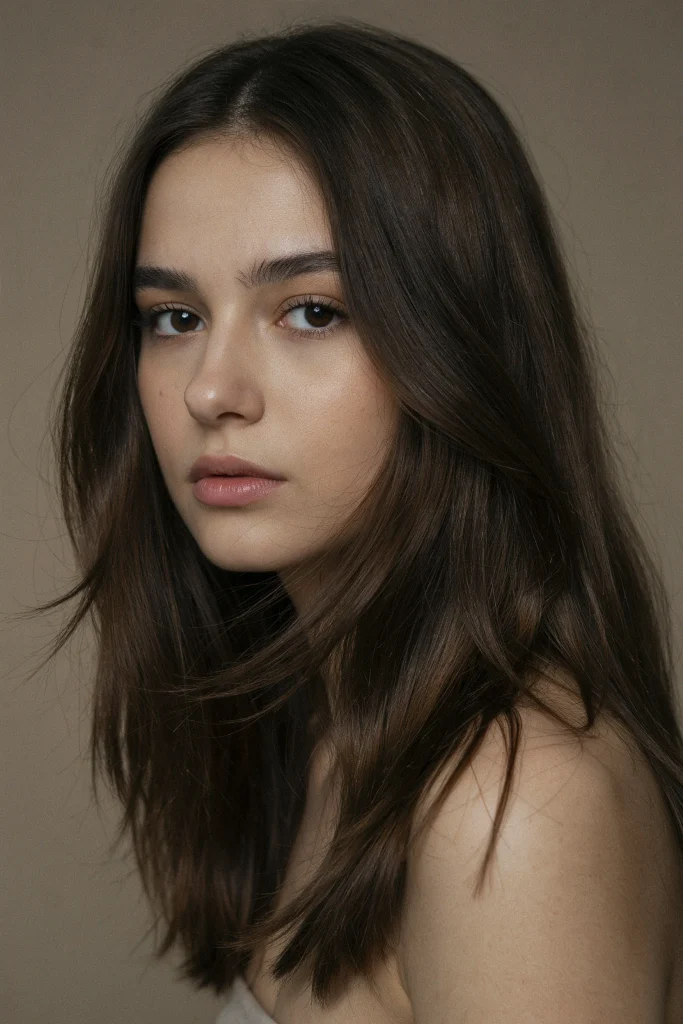
Thick hair benefits enormously from butterfly layers because the technique removes excess weight without shortening the overall length. Instead of one dense, heavy chunk of hair, the layers break things up into manageable sections that move independently, which reduces bulk around the face and makes the hair far easier to style.
This cut also helps thick hair feel less hot and heavy during warmer months, since thinning out the internal layers allows more airflow. Many people with thick hair find that after getting butterfly layers, blow-drying takes less time and the hair falls into place more naturally, cutting down on daily styling effort significantly.
6. Face-Framing Butterfly Layers
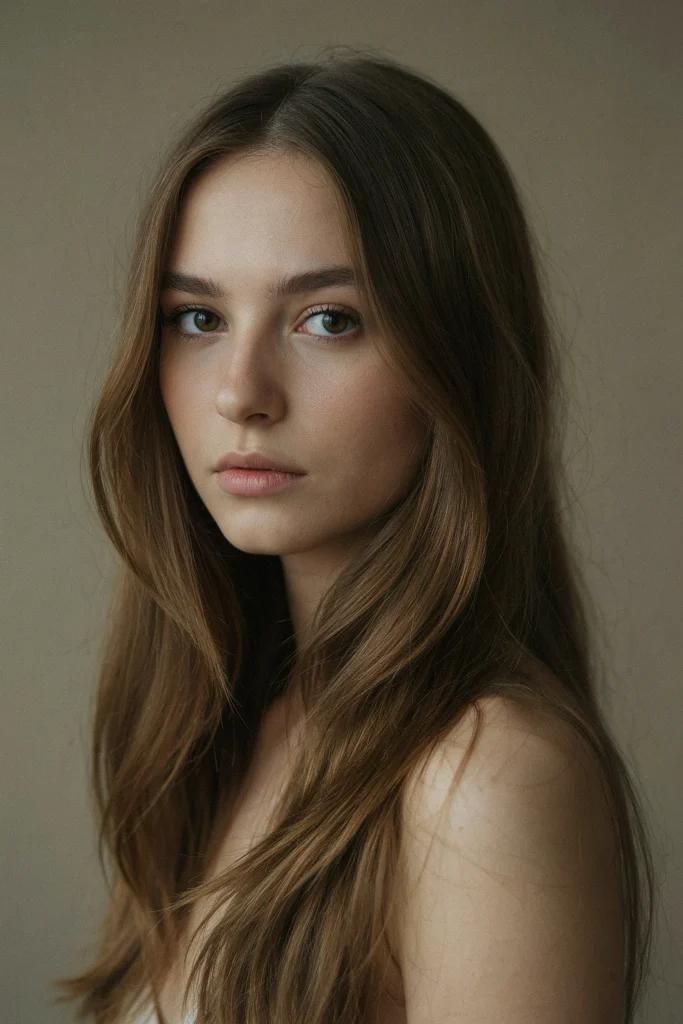
Face-framing layers are a key part of what makes the butterfly cut so universally flattering. By cutting shorter pieces around the front of the face, the style naturally highlights bone structure and softens harsher angles, working almost like a subtle contour that doesn’t require any makeup or extra effort to achieve.
These shorter layers also give the hair a reason to fall forward and frame the face rather than sitting flat against it. Whether pulled back into a ponytail or worn down, the face-framing pieces stay visible and continue doing their job, which is part of why this detail is requested so often.
7. Butterfly Layers with Balayage
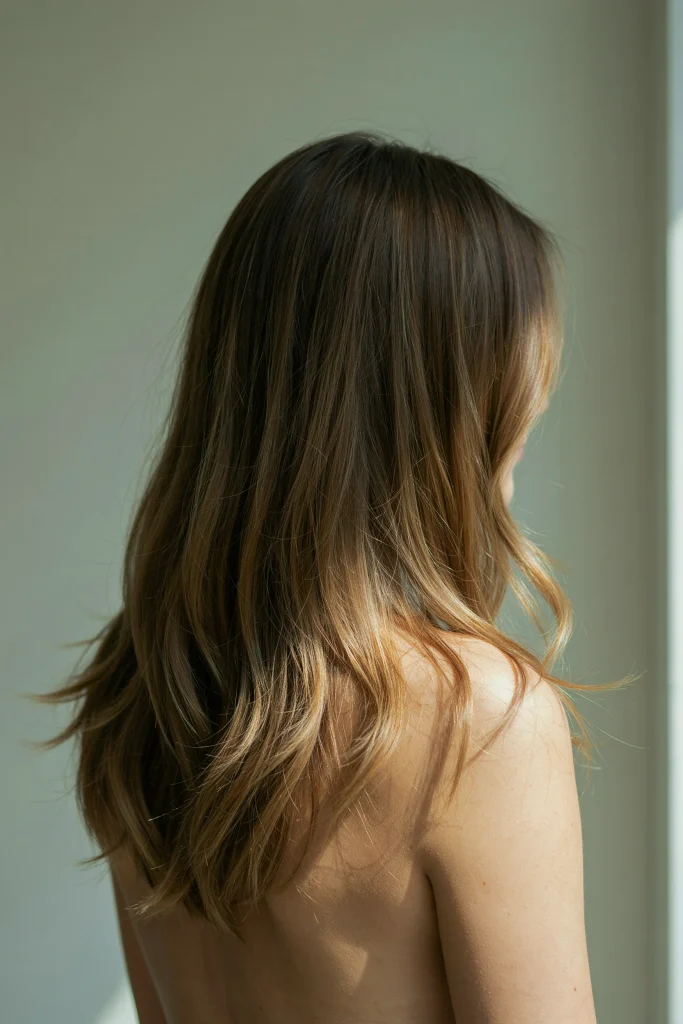
Balayage and butterfly layers are a natural pairing because the layered cut creates more surfaces for the color to catch light. Instead of the highlights sitting flat against one length of hair, they weave through multiple layers, creating a multidimensional effect that looks far more dynamic than balayage on a blunt cut.
The combination also helps the hair appear even more voluminous, since lighter pieces tend to draw the eye outward and create the impression of extra fullness. Colorists often recommend placing the balayage strategically around the face-framing layers first, since that’s where the brightness will be most visible and flattering.
8. Straight Butterfly Layers
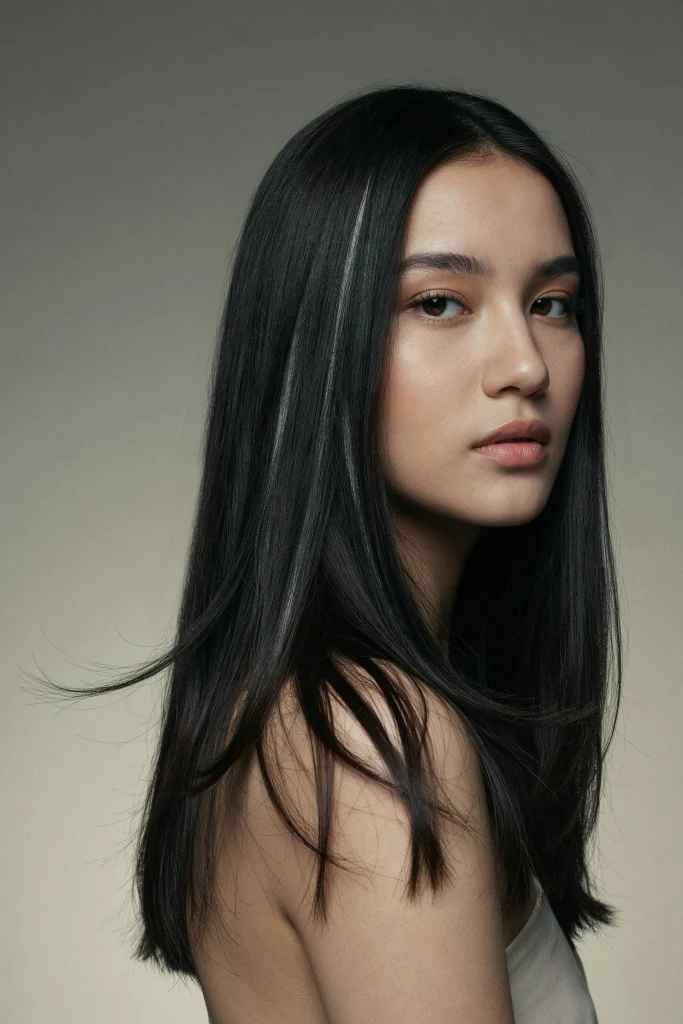
Straight hair might seem like an unlikely candidate for a layered cut, but butterfly layers actually add much-needed texture and interest to sleek strands. Without any layering, straight long hair can look flat and one-dimensional, but the wing-shaped layers introduce subtle movement and separation even when the hair is worn perfectly smooth.
This version tends to require slightly more precise cutting since every layer is fully visible with no wave to hide the transitions. When done well, straight butterfly layers create beautiful flicks at the ends and a soft, rounded shape at the crown, giving straight hair a polished yet effortless finish.
9. Butterfly Layers for Round Faces
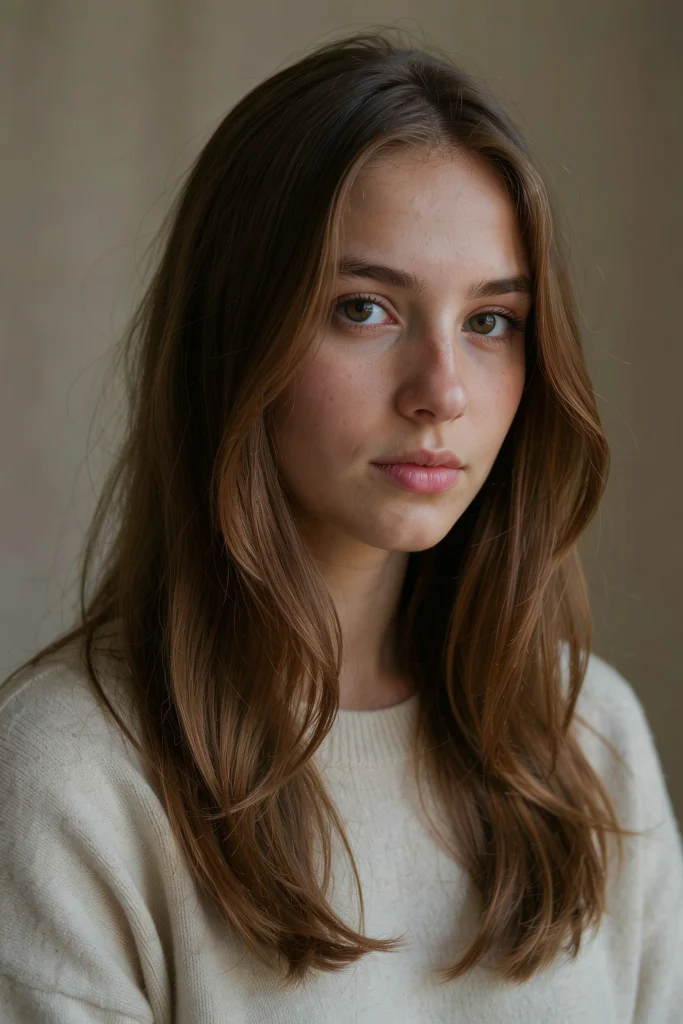
For round face shapes, the placement of the layers makes a significant difference in how flattering the final result looks. Starting the shorter layers below the chin rather than at cheek level helps avoid adding extra width to the widest part of the face, keeping the overall silhouette elongated instead of rounder.
Angled, longer layers around the face also help create the illusion of length, drawing the eye downward rather than outward. This adjustment to the classic butterfly cut makes it one of the most requested variations for round face shapes, since it keeps all the volume benefits while staying face-flattering.
10. Butterfly Layers for Long Faces
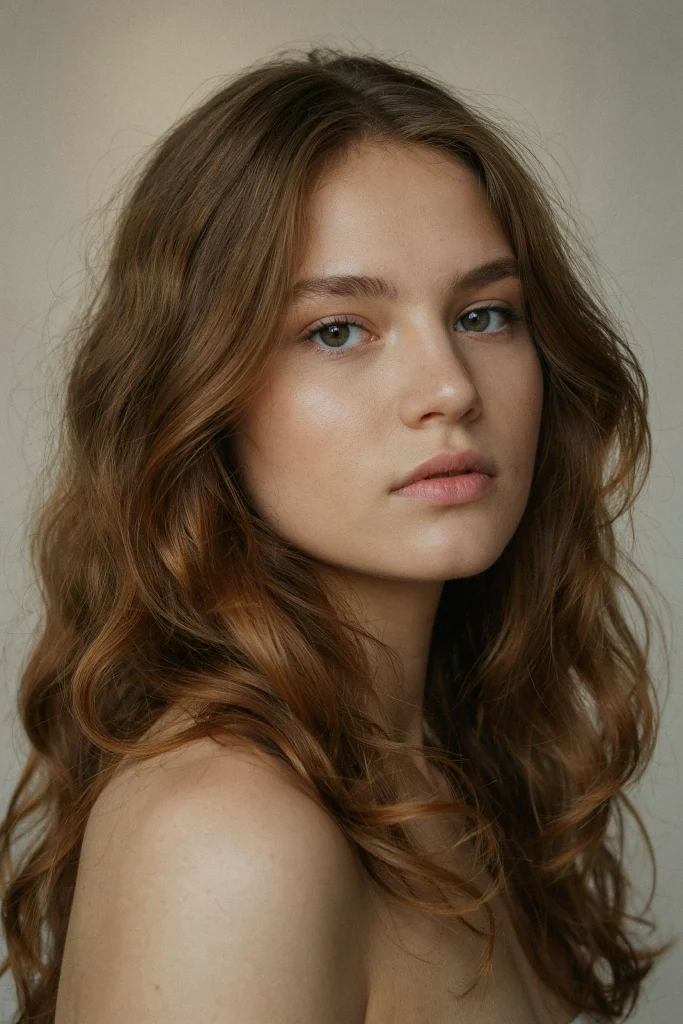
Long face shapes benefit from a slightly different approach to butterfly layers, one that emphasizes width rather than length. Cutting the face-framing pieces to hit around the cheekbones, rather than letting them fall past the jaw, adds visual fullness to the sides of the face and helps balance longer proportions.
Curtain bangs paired with this version can further soften the forehead and break up the vertical line of a longer face. The goal with this variation is to use the layers to add horizontal volume, making the butterfly cut feel custom-tailored rather than a one-size-fits-all approach to long hair.
11. Choppy Butterfly Layers
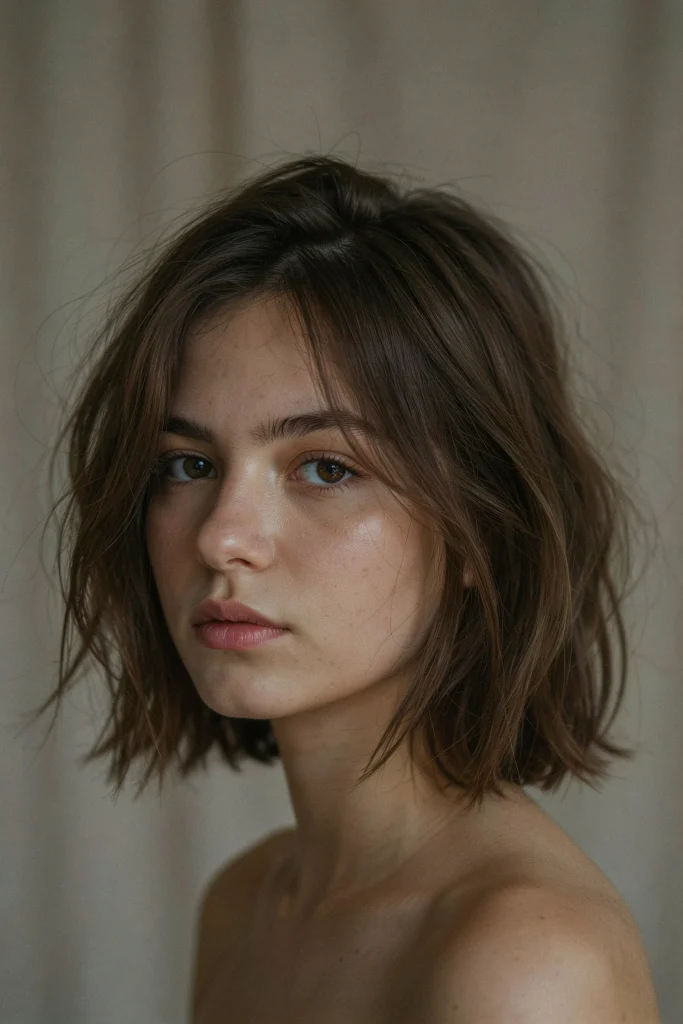
Choppy butterfly layers take the classic wing-shaped cut and add an edgier, more textured finish through razoring or point-cutting techniques. Instead of smooth, blended transitions between layers, the ends are left slightly jagged and irregular, giving the style a more undone, rock-and-roll energy that still retains all the core volume benefits.
This variation works particularly well for anyone who wants their long hair to look effortlessly styled rather than freshly blow-dried. The choppy ends catch texture products beautifully, meaning a bit of sea salt spray or texturizing paste can enhance the layers even further, making this one of the lowest-maintenance versions of the cut.
12. Butterfly Layers with Bangs
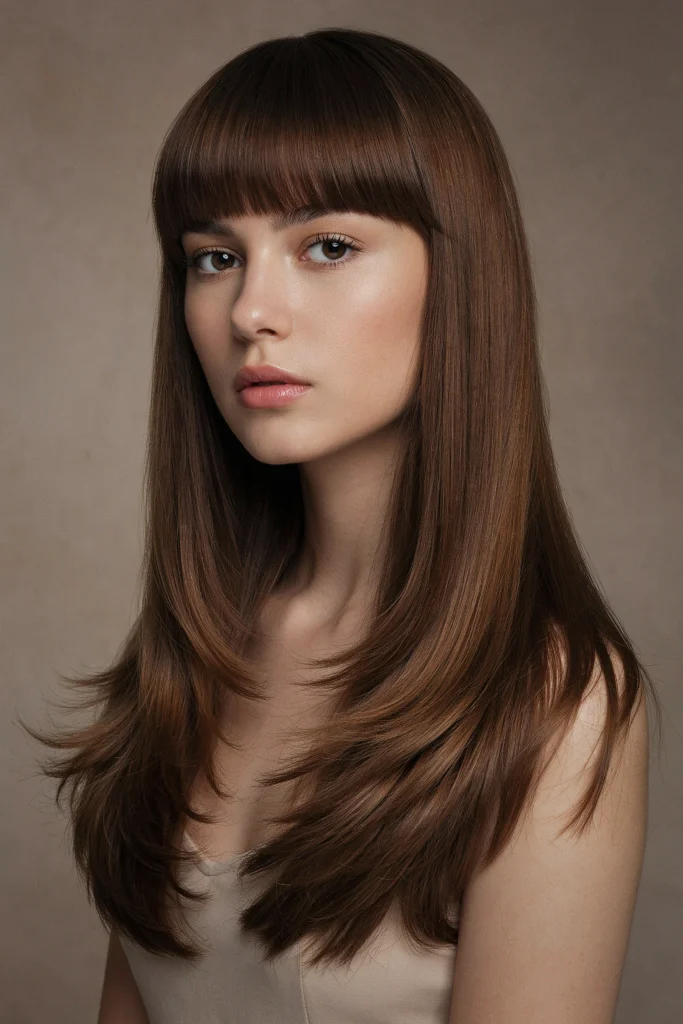
Full bangs paired with butterfly layers create a bold contrast between structure and softness. The blunt line of the bangs anchors the style, while the layers cascading below add plenty of movement and volume, preventing the overall look from feeling too heavy or one-note despite the added length in front.
This pairing works especially well for people who want a dramatic change without cutting off significant length. The bangs draw immediate attention and can be styled straight or curled under, while the butterfly layers continue doing the work of adding shape and body throughout the rest of the hair.
13. Butterfly Layers for Curly Hair
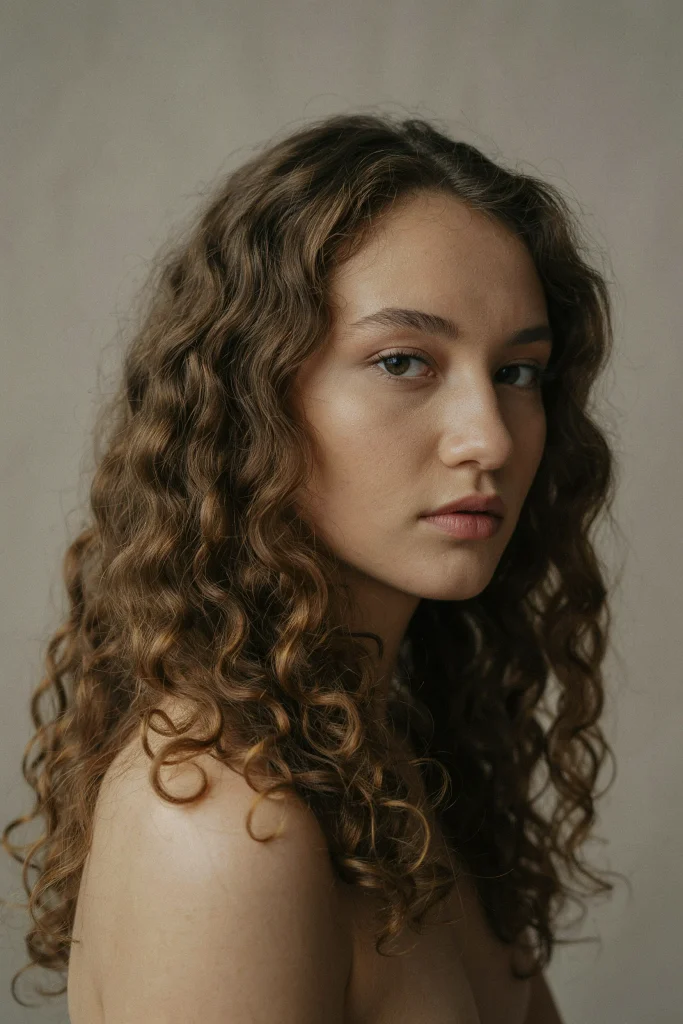
Curly hair transforms dramatically when cut into butterfly layers, since removing weight allows each curl to spring up and show its natural shape instead of being weighed down by length. The wing-shaped layering technique works with curl patterns rather than against them, creating a rounded, voluminous silhouette that curly hair often struggles to achieve.
This cut is particularly popular among people transitioning away from heavier, blunt curly cuts that can feel weighed down and shapeless. Once layered, curls have more room to move independently, resulting in better definition, less frizz from friction between strands, and a bouncier overall look that photographs beautifully from every angle.
14. Blonde Butterfly Layers
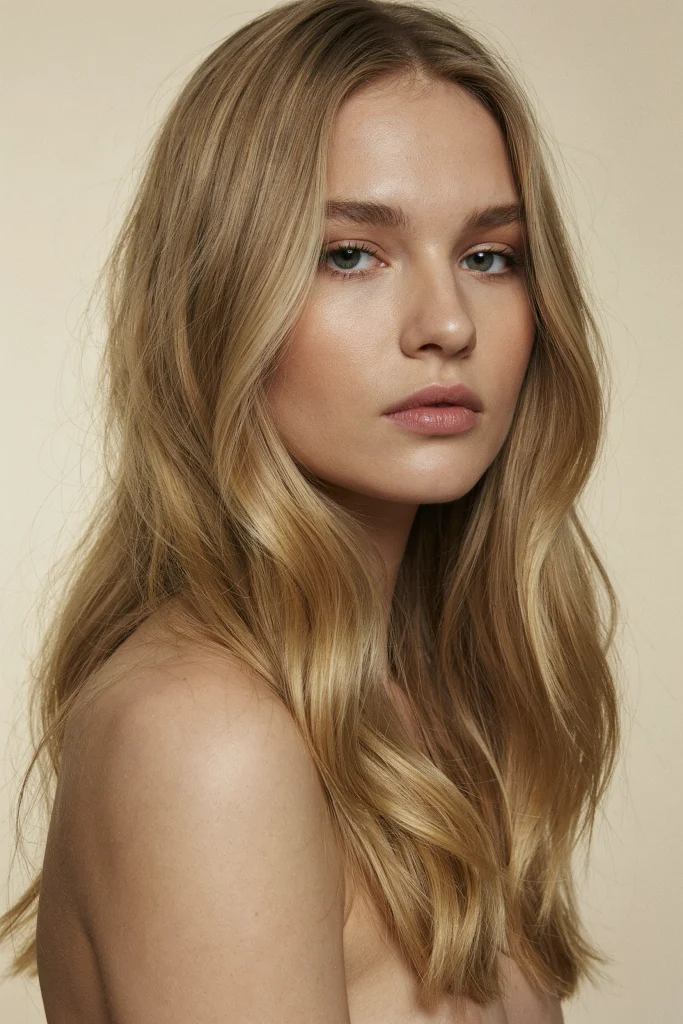
Blonde hair and butterfly layers pair exceptionally well because lighter tones naturally reflect more light, making every layer transition even more visible and dimensional. The wing-shaped cut creates multiple surfaces for color variation to show through, so even a single-process blonde can appear multi-tonal once the layers are in place.
This combination also helps blonde hair avoid looking flat or overly uniform, which can sometimes happen with all-over color on long, unlayered hair. The added texture from the layers breaks up the color in a way that feels more natural and sun-kissed, rather than solid and artificial.
15. Brunette Butterfly Layers
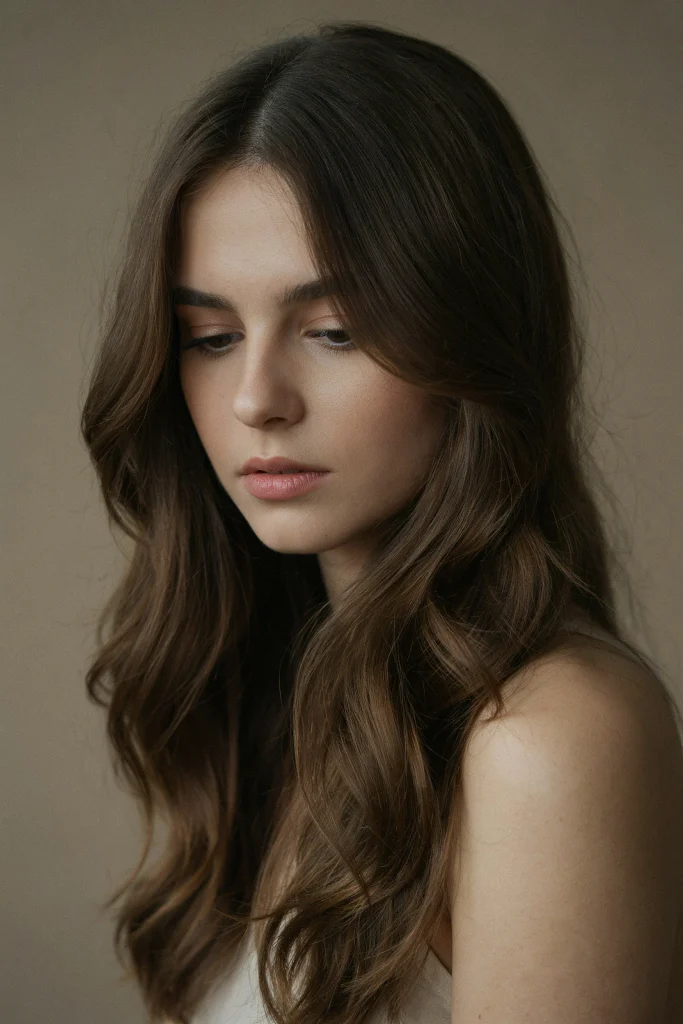
Brunette hair tends to show shine beautifully, and butterfly layers amplify this by creating more angles and surfaces for light to bounce off. The layered structure prevents deep brunette shades from looking flat or heavy, a common concern with long, dark hair that hasn’t been layered in a while.
Adding subtle warm highlights or babylights within the brunette base can further enhance the layered shape, since the lighter pieces will naturally fall along the wing-like layers and draw attention to the movement. This makes brunette butterfly layers a popular choice for anyone wanting dimension without a dramatic color change.
16. Red Butterfly Layers
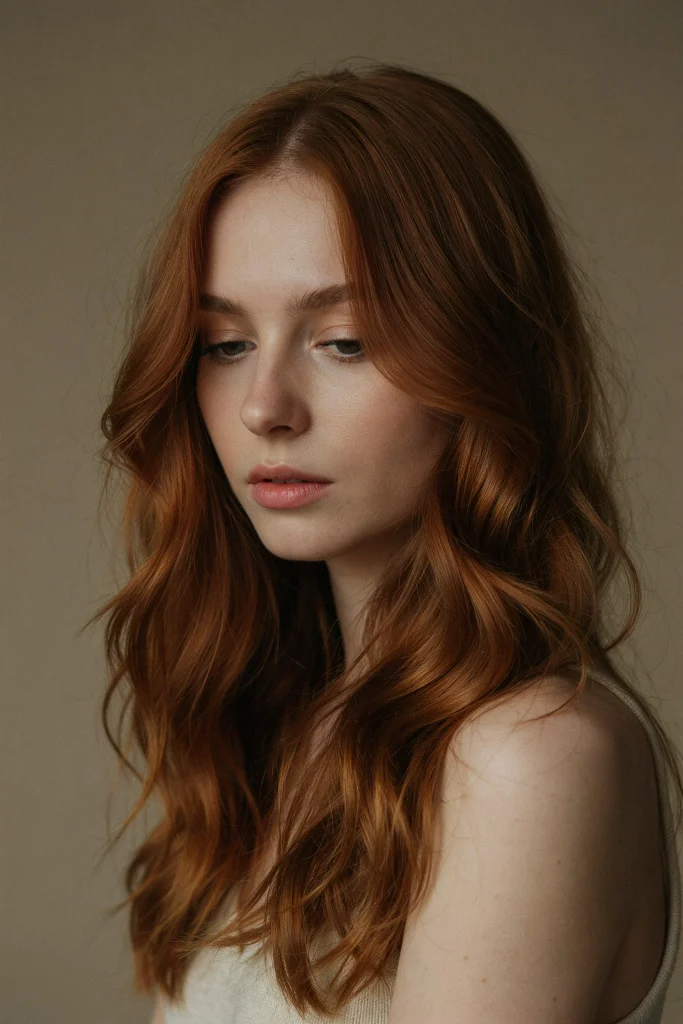
Red hair has a way of looking especially vivid when paired with a layered cut, since the varying lengths create shifts in tone and shine that flat, unlayered red hair simply can’t replicate. Butterfly layers help red shades appear richer and more alive, particularly under natural light where the color can really shine.
This pairing is a favorite among colorists because red tends to fade unevenly, and the layered structure helps disguise any subtle tonal shifts as the color settles over time. The movement created by the layers also keeps bold red hair from looking overly heavy or costume-like, keeping it wearable and chic.
17. Butterfly Layers with Highlights
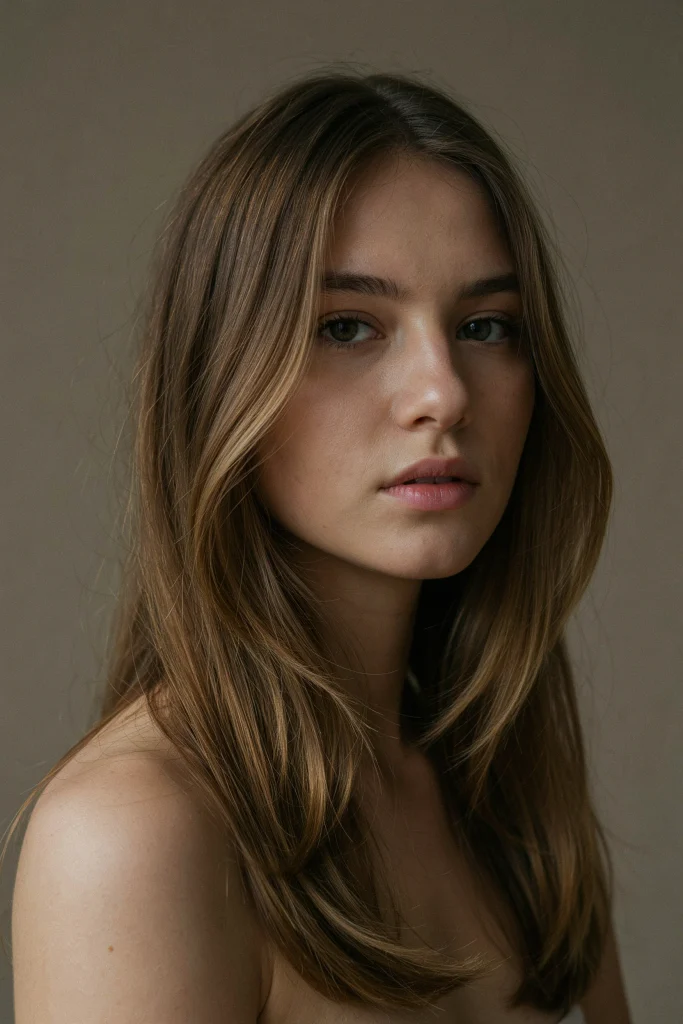
Highlights placed strategically around butterfly layers can dramatically enhance the sense of movement already built into the cut. When the brightest pieces are concentrated around the face-framing layers, they draw attention exactly where the eye is meant to go, creating a soft, glowing effect without requiring an all-over color change.
This approach is often more budget-friendly and lower-maintenance than full balayage, since a skilled colorist can place the highlights specifically along the layer lines rather than throughout the entire head. The result still delivers plenty of dimension and shine, making it an efficient way to elevate a long layered cut.
18. Butterfly Layers for Thin Hair
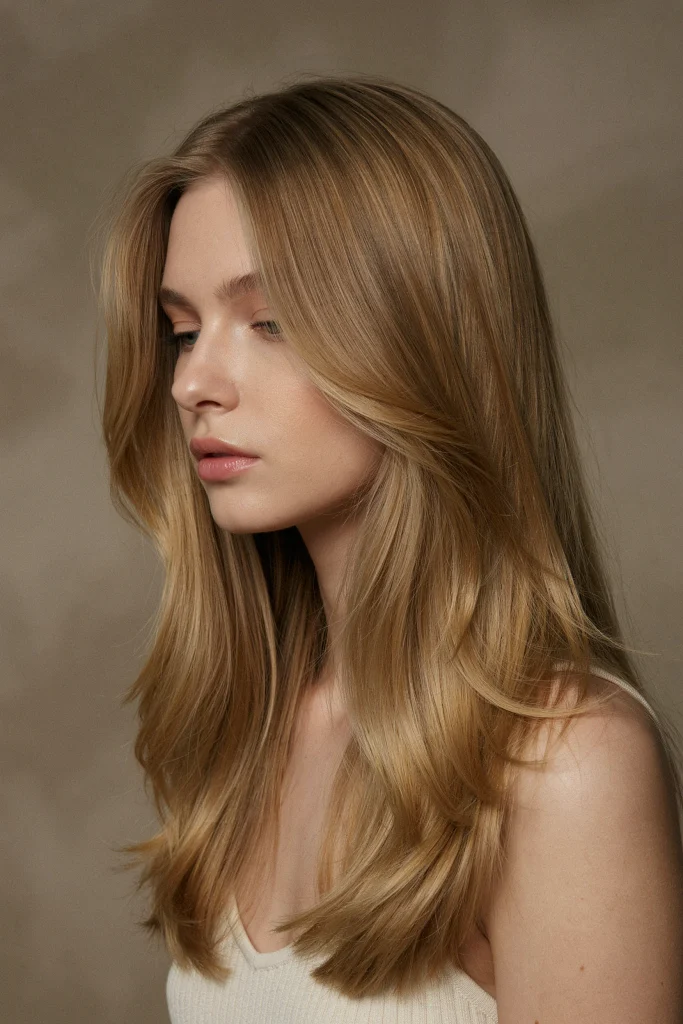
Thin hair requires a more thoughtful approach to layering, since removing too much weight can sometimes make the hair look sparser rather than fuller. Butterfly layers designed specifically for thin hair tend to keep the layers shorter and more concentrated near the crown, where lift matters most for creating volume.
Blow-drying with a round brush or using velcro rollers can further enhance the root lift this cut is designed to create. Many people with thin hair find that once they switch to butterfly layers, their hair appears noticeably thicker in photos and in person, without needing extensions or volumizing powders daily.
19. Layered Butterfly Cut with Side Part
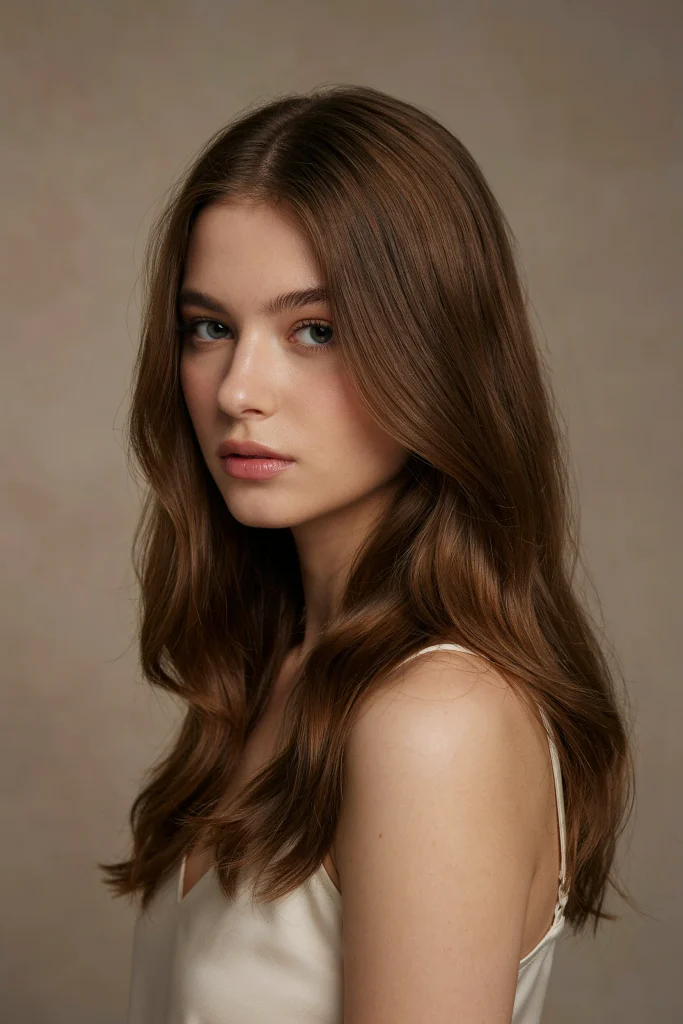
A deep side part changes the entire dynamic of butterfly layers by introducing asymmetry into an otherwise symmetrical cut. Longer pieces sweep across the forehead on one side, adding extra volume and movement, while the opposite side shows off the layered structure more clearly, creating visual interest from every angle.
This styling choice is especially flattering for those who want a slightly more sophisticated, editorial take on the trend. The side part also tends to add height at the root on the fuller side, which pairs naturally with the volume-boosting purpose of the butterfly cut itself, doubling down on fullness.
20. Butterfly Layers with Middle Part
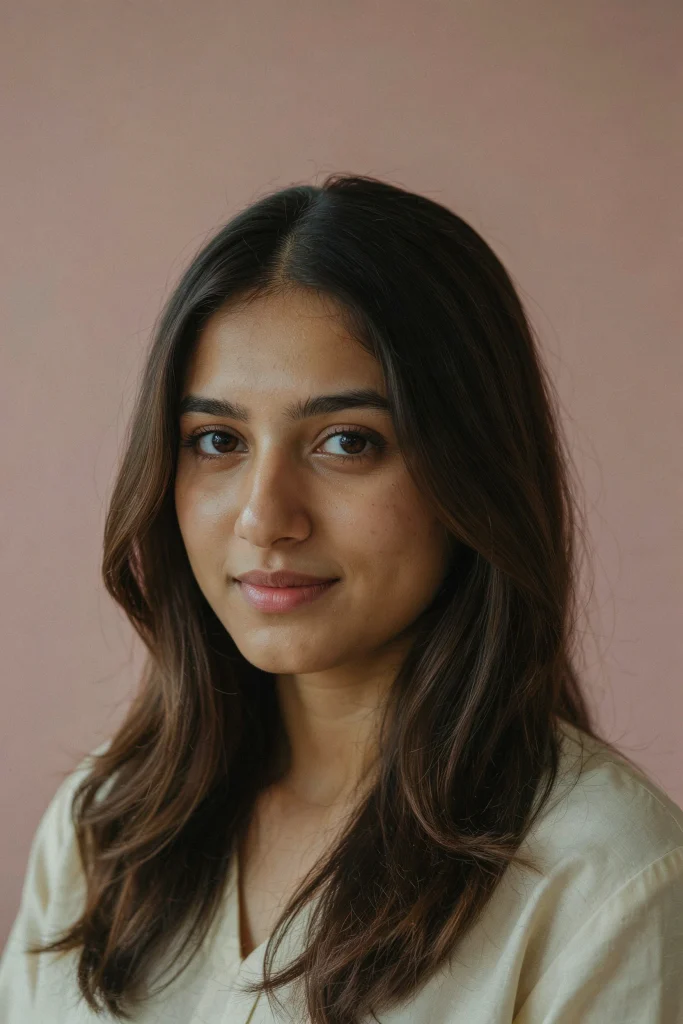
A middle part paired with butterfly layers creates a clean, symmetrical foundation that lets the layered shape take center stage. Both sides of the face are framed evenly, which many people find easier to style day-to-day since there’s no need to redirect hair growth patterns the way a side part sometimes requires.
This version tends to feel slightly more modern and relaxed compared to a deep side part, aligning with the overall effortless aesthetic the butterfly cut is known for. It’s an especially popular choice for those wearing curtain bangs, since a middle part allows the bangs to fall naturally on both sides.
21. Butterfly Layers for Square Faces
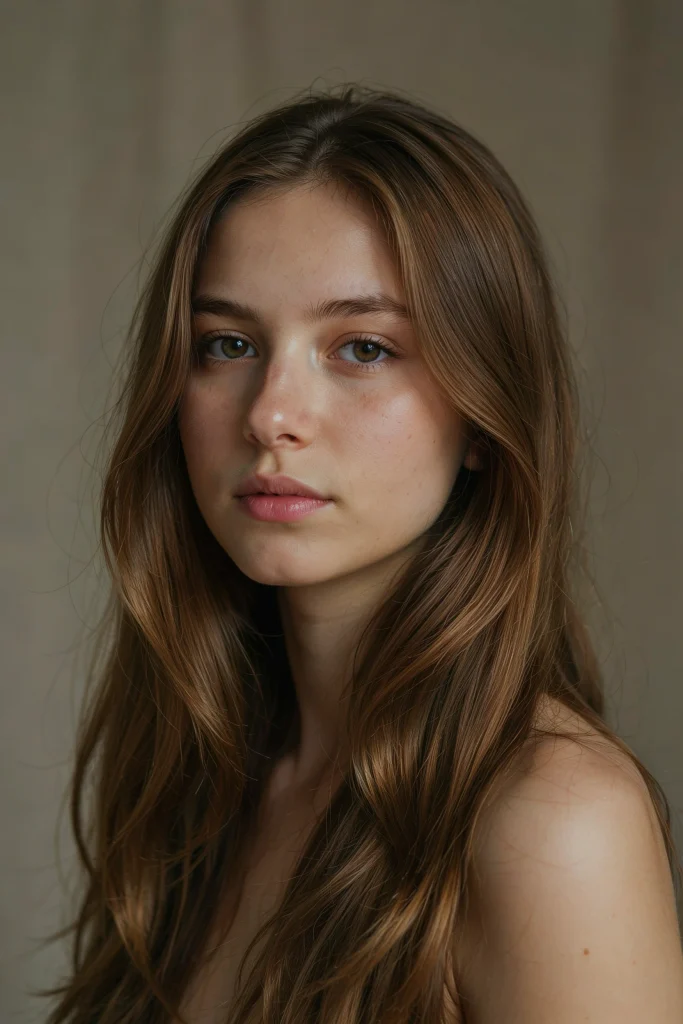
Square face shapes benefit from butterfly layers that are cut with rounded, curving lines rather than sharp, blunt edges. Softening the layers near the jaw helps balance strong, angular features, while the overall wing-shaped structure still delivers the volume and movement that makes this cut so popular in the first place.
Adding waves or curls to the ends further enhances this softening effect, since the rounded shape of the curls works against the natural angles of a square jaw. This makes the butterfly cut a versatile option even for face shapes that are typically advised to avoid heavy, blunt layering styles.
22. Voluminous Butterfly Layers
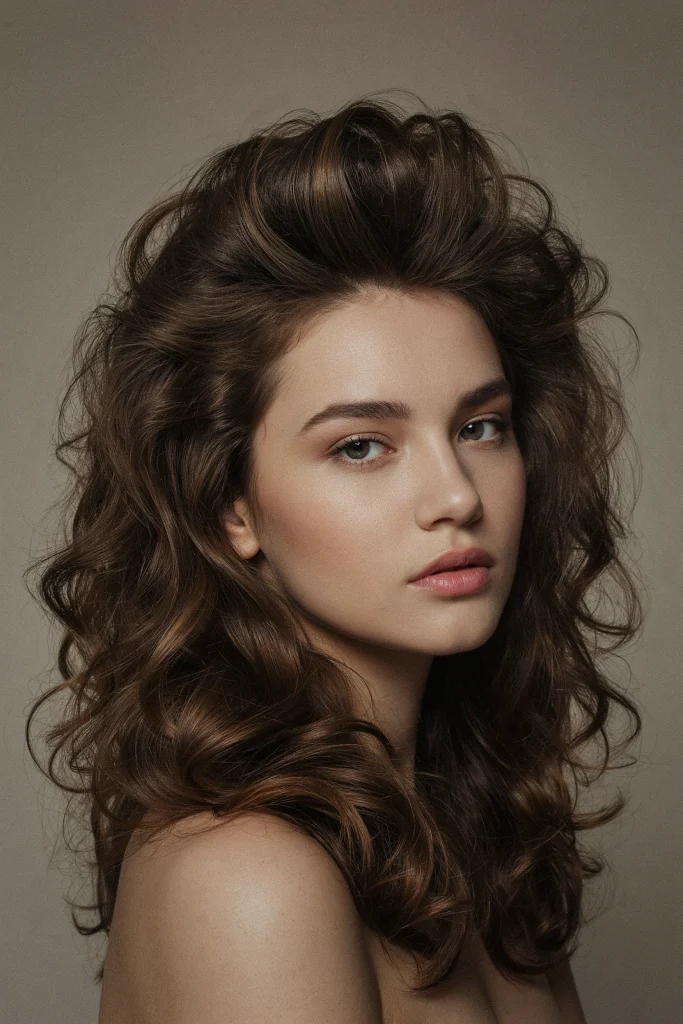
For those who want to take the volume-boosting purpose of this cut to the next level, an extra-voluminous version leans into dramatic root lift and fuller styling. This variation often involves slightly more aggressive layering near the crown, paired with big curls or a blowout technique designed to maximize fullness throughout.
This bold take on butterfly layers is a favorite for special occasions or anyone who simply loves a big, glamorous hair moment. While it requires a bit more styling effort than the classic version, the payoff is a head-turning silhouette that showcases exactly how much volume long layered hair can achieve.
23. Butterfly Layers for Wavy Hair
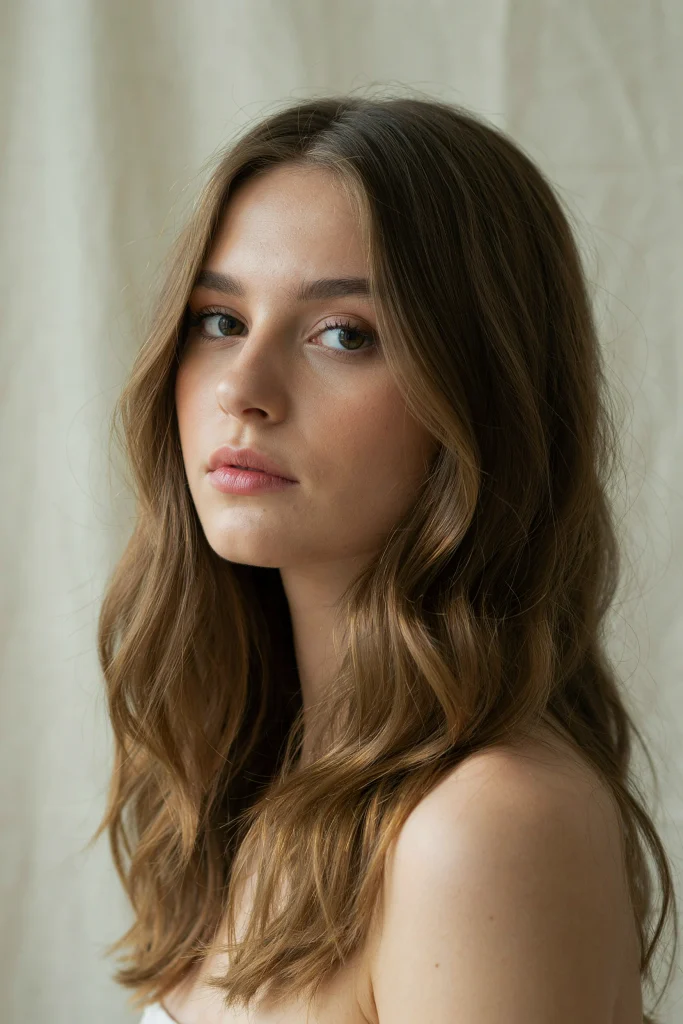
Naturally wavy hair is often considered the easiest texture to pair with butterfly layers, since the waves already provide movement and the layers simply amplify it further. This combination frequently allows for air-drying, as the natural texture combined with the layered cut tends to fall into place with minimal effort.
The layers also help wavy hair avoid looking weighed down at longer lengths, a common frustration for people with this texture. By removing bulk in key areas, the waves have more room to form and bounce, resulting in a fuller, more defined pattern from root to end.
24. Textured Butterfly Layers
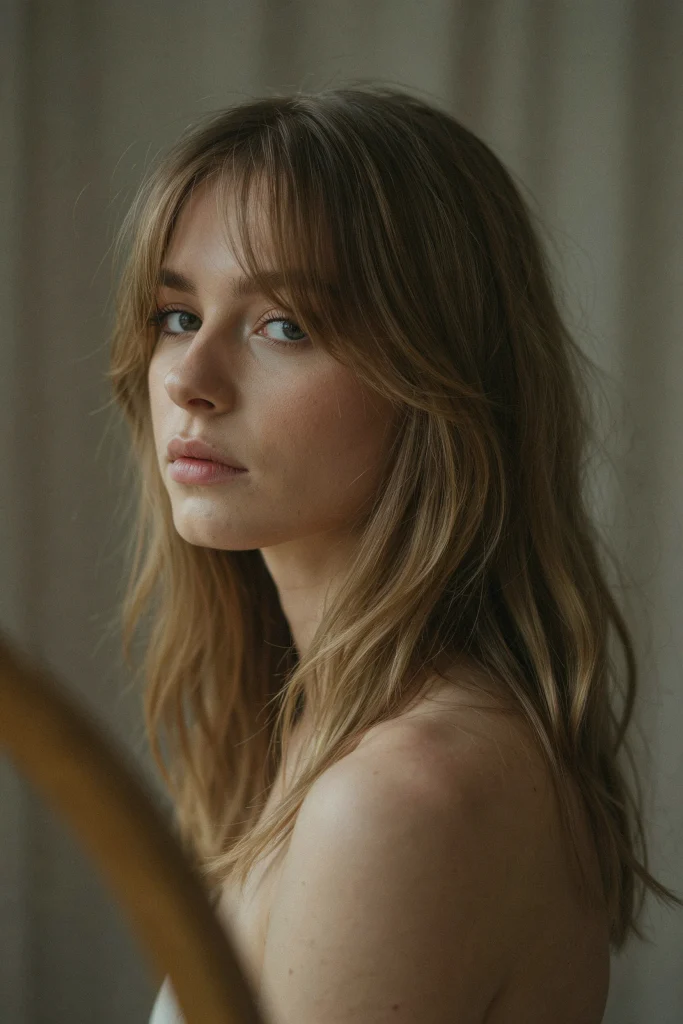
Texturized butterfly layers rely on point-cutting and thinning techniques to break up the hair even further than a standard layered cut. This creates individual, piece-y strands that catch light and product differently, giving the overall style a more matte, undone quality that pairs well with a relaxed, no-fuss beauty routine.
This variation tends to hold texture products exceptionally well, meaning a bit of salt spray, dry shampoo, or texturizing paste can go a long way in enhancing the cut. It’s a great option for anyone who prefers a slightly messier, more tousled version of the classic butterfly silhouette.
25. Low-Maintenance Butterfly Layers
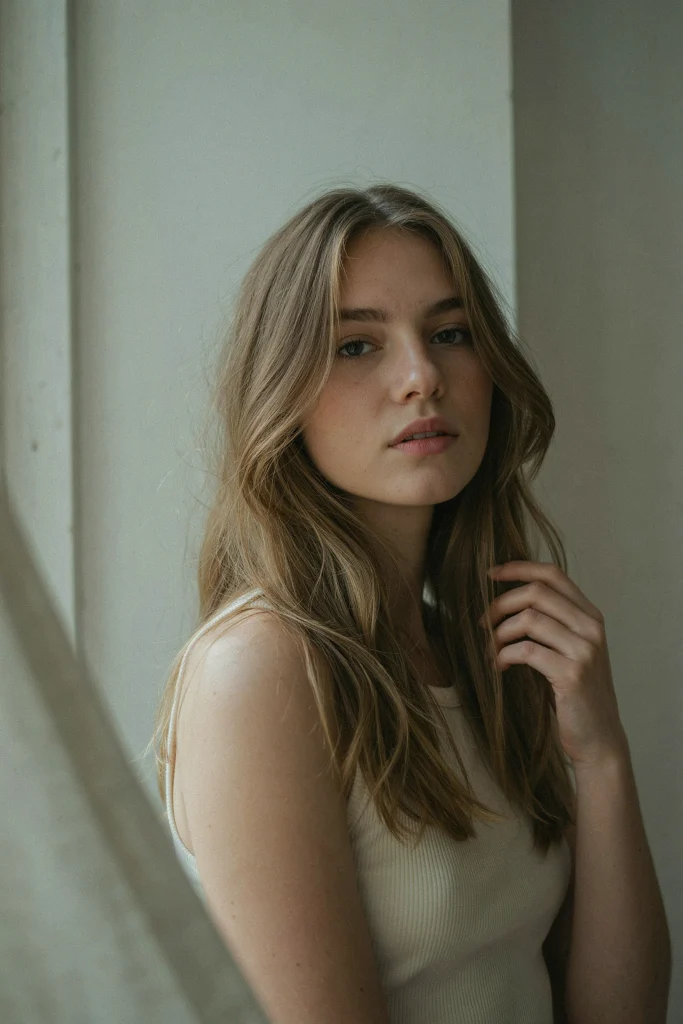
One of the biggest draws of the butterfly cut is how little daily effort it requires once the layers are properly placed. Many versions of this haircut are designed specifically to be low-maintenance, relying on the structure of the cut itself rather than constant styling to create volume and movement.
This makes long butterfly layers an especially practical choice for anyone with a busy schedule who still wants their hair to look put-together. A quick air-dry, a scrunch of texturizing spray, or simply running fingers through damp hair is often enough to activate the built-in shape and movement of the layers.
Conclusion
Long butterfly layers prove that you don’t have to choose between length and volume, this cut delivers both effortlessly. From curly and wavy textures to bold color choices and face-flattering placements, there’s a version suited to nearly every hair type and personal style. Whether you’re after a low-maintenance everyday look or a dramatic, voluminous finish, this trend offers endless ways to customize your hair. Save your favorite look and bring it to your next stylist appointment.